Showing posts with label Upper Peninsula. Show all posts

Monday, October 12, 2015

Earth Science Week - Michigan's Largest Waterfall

Happy Earth Science Week!

Earth Science Week is a national and international celebration of the earth sciences (geology, meteorology, oceanography, and astronomy).  It is organized by the American Geosciences Institute and has been celebrated since 1989.  The mission of Earth Science Week is to "promote understanding and appreciation of the value of Earth Science research and its applications and relevance to our daily lives."  This year, Earth Science Week is being celebrated October 11 - 17.

Over the past few days I have been attending the Michigan Alliance for Environmental and Outdoor Education (MAEOE) annual conference in Sault Sainte Marie, MI.  On my way to the conference, I took an hour-long detour to visit one of Michigan's most popular earth science destinations - Upper Tahquamenon Falls.

Upper Tahquamenon Falls (brink view) - October 2015

Upper (and Lower) Tahquamenon Falls are located on the Tahquamenon River near the village of Paradise in Luce County.  Tahquamenon Falls is close enough to Mid-Michigan to be a long day trip.  The falls are approximately 3.5 hours away.

Upper Tahquamenon Falls is one of the largest waterfalls east of the Mississippi River.  The Upper Falls formed in a location where there is a transition between hard and soft sandstone types.  The river cascades over a layer of hard sandstone before carving out a canyon though the underlying softer layers.    The falls are nearly 200 feet wide and drop almost 50 feet.

Upper Tahquamenon Falls (brink view) - October 2015

The waters that cascade over the falls are stained dark by tanins from nearby cedar swamps.  In the Spring, the rate of flow over the falls has been recorded at nearly 50,000 gallons (nearly 190,000 liters) per minute!  The flow during my visit was much less, but still impressive.  I have visited during periods of much lower flow.

Upper Tahquamenon Falls (gorge view) - July 2007
 
The most impressive view of the falls is from a boardwalk at the brink of the falls, but the best view of the falls is from a pair of observation decks near the bottom of the canyon.  A warning to visitors:  there are more than 80 stairs down to the falls and more than 110 stairs down (and back up) to the canyon observation decks.

Upper Tahquamenon Falls (gorge view) - October 2015

Although I did not visit them during this trip, there is another series of falls a few miles downstream from the Upper Falls.  Lower Tahquamenon Falls drops approximately 20 feet over several ledges around an island that divides the river.  Here is a photo of a portion of the Lower Falls from a 2007 trip.

Lower Tahquamenon Falls - July 2007

If you are visiting Michigan's Upper Peninsula, Tahquamenon Falls is a must-see destination - even more so if you are fan of interesting geology.

Thursday, July 30, 2015

Nature Geek Vacation Destinations - A.E. Seaman Mineral Museum (Houghton, MI)


One of my favorite destinations in the state of Michigan is the A.E. Seaman Mineral Museum at Michigan Technological University.  Michigan Tech and the Seaman Mineral Museum are located in the city of Houghton, MI.  Located on the Keweenaw Peninsula in Michigan's Upper Peninsula, Houghton is approximately a seven hour drive from Mid-Michigan. 


The Seaman Mineral Museum is named after Arthur Edward Seaman, the museum's first curator.  Seaman was the head of the Department of Geology and Mineralogy at the Michigan College of Mines (now known as Michigan Technological University) and became curator of the museum upon retiring from teaching.  His personal mineral collection was donated to the museum upon his death.

The Seaman Mineral Museum is the official mineral museum of the State of Michigan and contains the finest collection of Michigan minerals in the world.  A large portion of the museum is dedicated to copper and iron ores that can be found in the western Upper Peninsula.  During the late 1800s and early 1900s, Michigan was the copper capital of the world with an estimated 11 billion pounds of copper being mined.  Much of this history is preserved as part of the Keweenaw National Historical Park.

Tuesday, October 22, 2013

Geology Photographs

Yesterday I posted about the upcoming 2013 Mid-Michigan Rock Club Annual Show.  Today I thought I would share some geology photographs.  The first ten photographs were take in Michigan between 2007 and 2012 (mostly in the Upper Peninsula).

Lake Superior beach rocks - Muskallonge Lake State Park near Newberry, MI

Sandstone formation at Munising Falls - Pictured Rocks National Lakeshore, Munising, MI

"Sea" caves and sandstone formations at Pictured Rocks National Lakeshore - Munising, MI

A lone kayaker in front of the sandstone cliffs at Pictured Rocks National Lakeshore - Munising, MI

Iron and other minerals stain the sandstone at Pictured Rocks National Lakeshore - Munising, MI

Cross-bedding in the sandstone at Pictured Rocks National Lakeshore - Munising, MI

Sturgeon River Canyon - Houghton County, MI

Dolomite cliff at Fayette State Park - Garden, MI

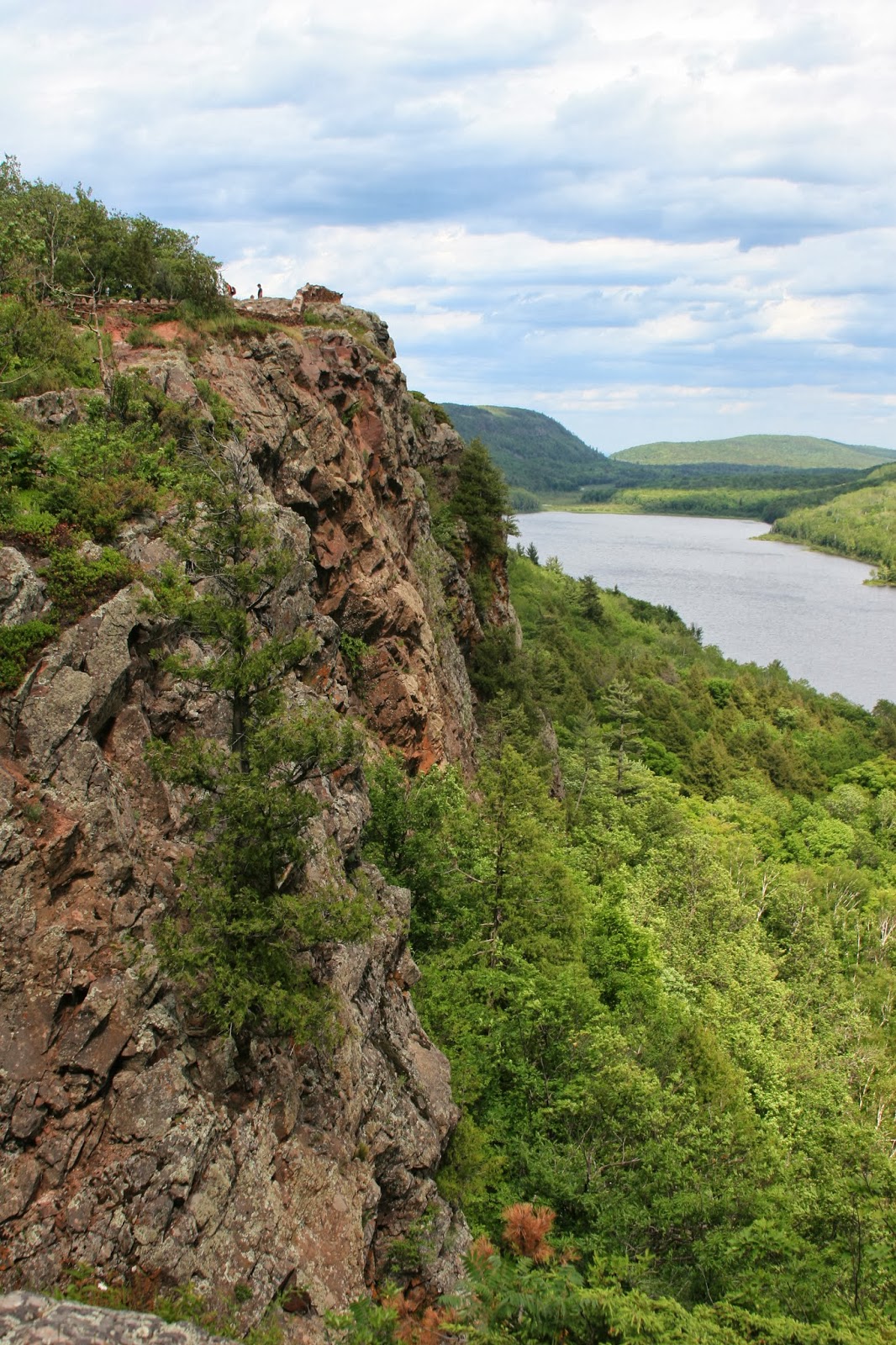
Basalt and conglomerate escarpment at Lake of the Clouds - Porcupine Mountains State Park, Ontonogan County, MI

Lake Michigan beach rocks - Leelanau County, MI

The remaining nine photographs were taken on a trip to Acadia National Park in Maine in July 2013.  For more information on the bedrock of Acadia National Park look here.

Ellsworth shale - Ellsworth, ME

Surface of a large boulder at Lamoine State Park - Lamoine, ME

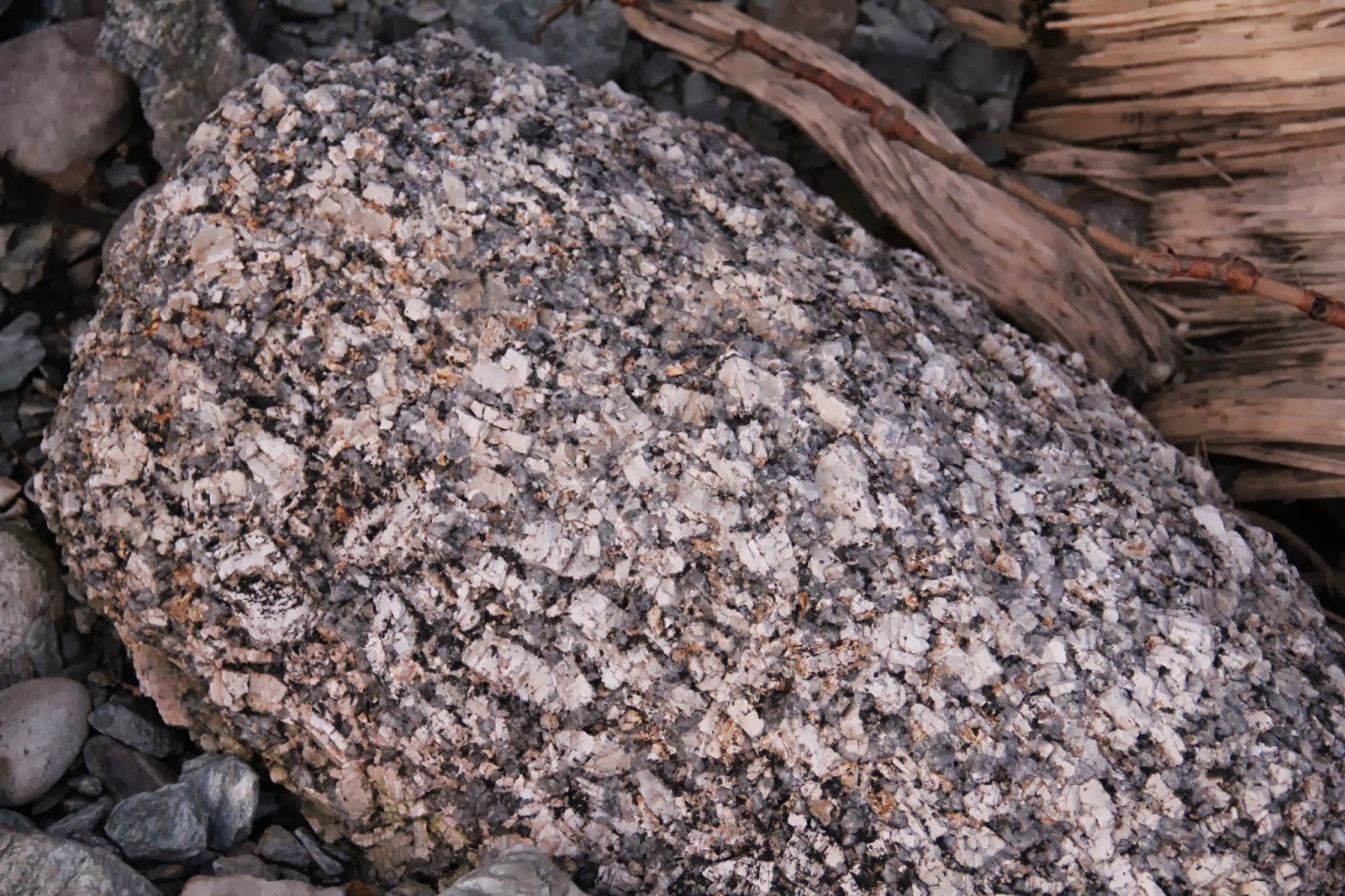
Coarse granite boulder - Lamoine State Park near Lamoine, ME

Boulder with inclusions - Lamoine State Park near Lamoine, ME

Boulder - Lamoine State Park near Lamoine, ME

Devonian rock formations and rock beach - Mt. Desert Island, Acadia National Park near Seal Harbor, ME

Cadillac Mountain Granite - Cadillac Mountain, Acadia National Park near Bar Harbor, ME

Coarse granite boulder - Acadia National Park, ME

Granite cliffs at Bass Harbor Head - Bass Harbor, ME