Showing posts with label oceanography. Show all posts

Sunday, October 14, 2018

What is earth science?

Happy Earth Science Week 2018!

Sponsored by the American Geosciences Institute, Earth Science Week is a week-long celebration of everything related to the earth sciences.  In honor of Earth Science Week, I will be posting something relevant to earth science every single day.

You might be wondering, what is earth science?

Earth science is simply the study of the earth.  It is generally broken down into four disciplines: geology, meteorology, oceanography, and astronomy.

Geology is the study of the earth itself, the substances that make up the earth, the processes that shape it, and how those processes and materials have changes (or stayed the same) over time.  Of the four earth science disciplines, this one is my favorite (but don't tell the other- they get jealous). 

Badlands NP, South Dakota

Meteorology is the study of the earth's atmosphere and how processes and patterns in the atmosphere affect the earth's weather and climate.
 
Isabella County, Michigan

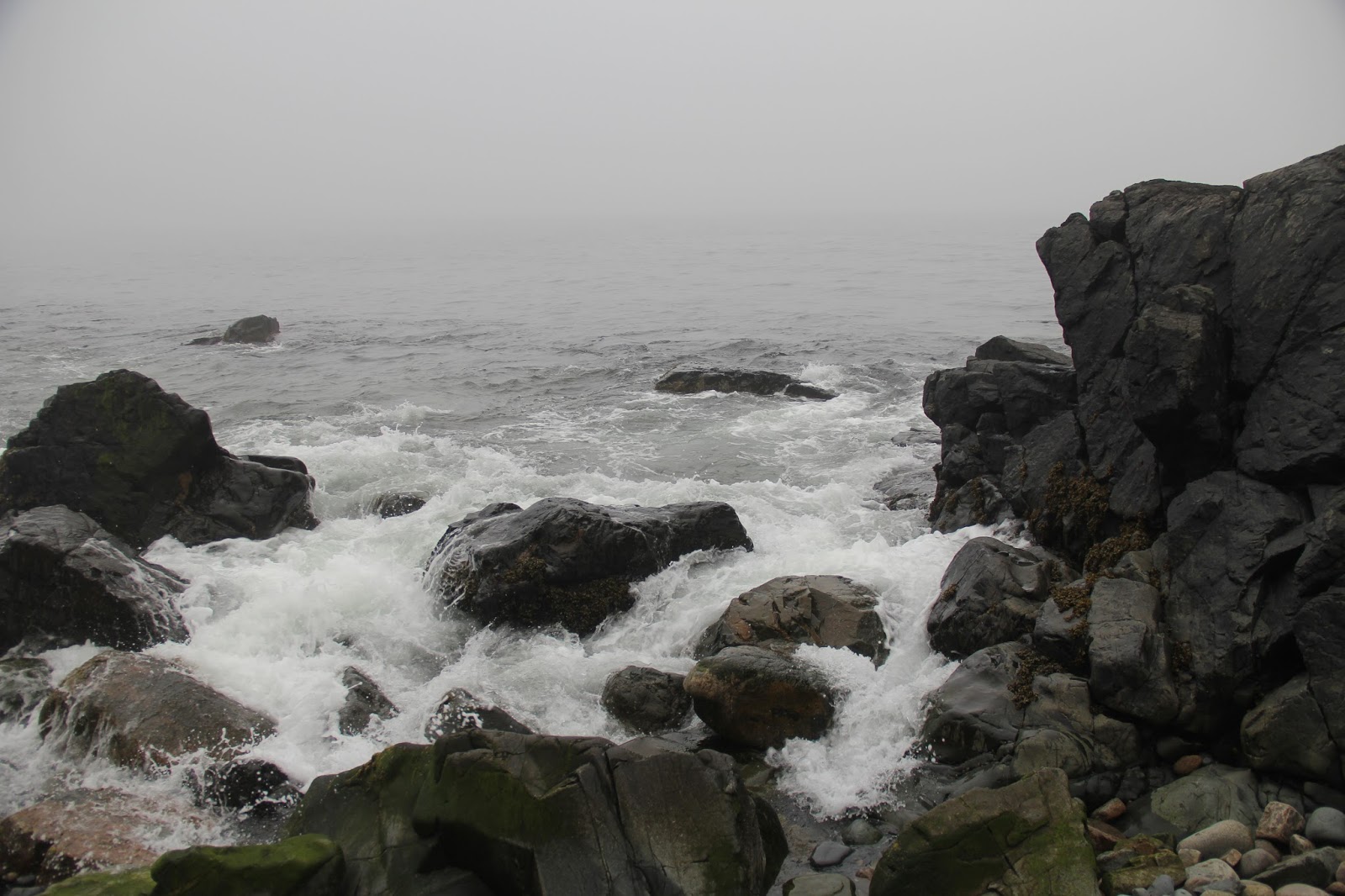
Oceanography is the study of the earth's oceans (and seas) including their patterns, composition, currents, and the organisms that reside in them.
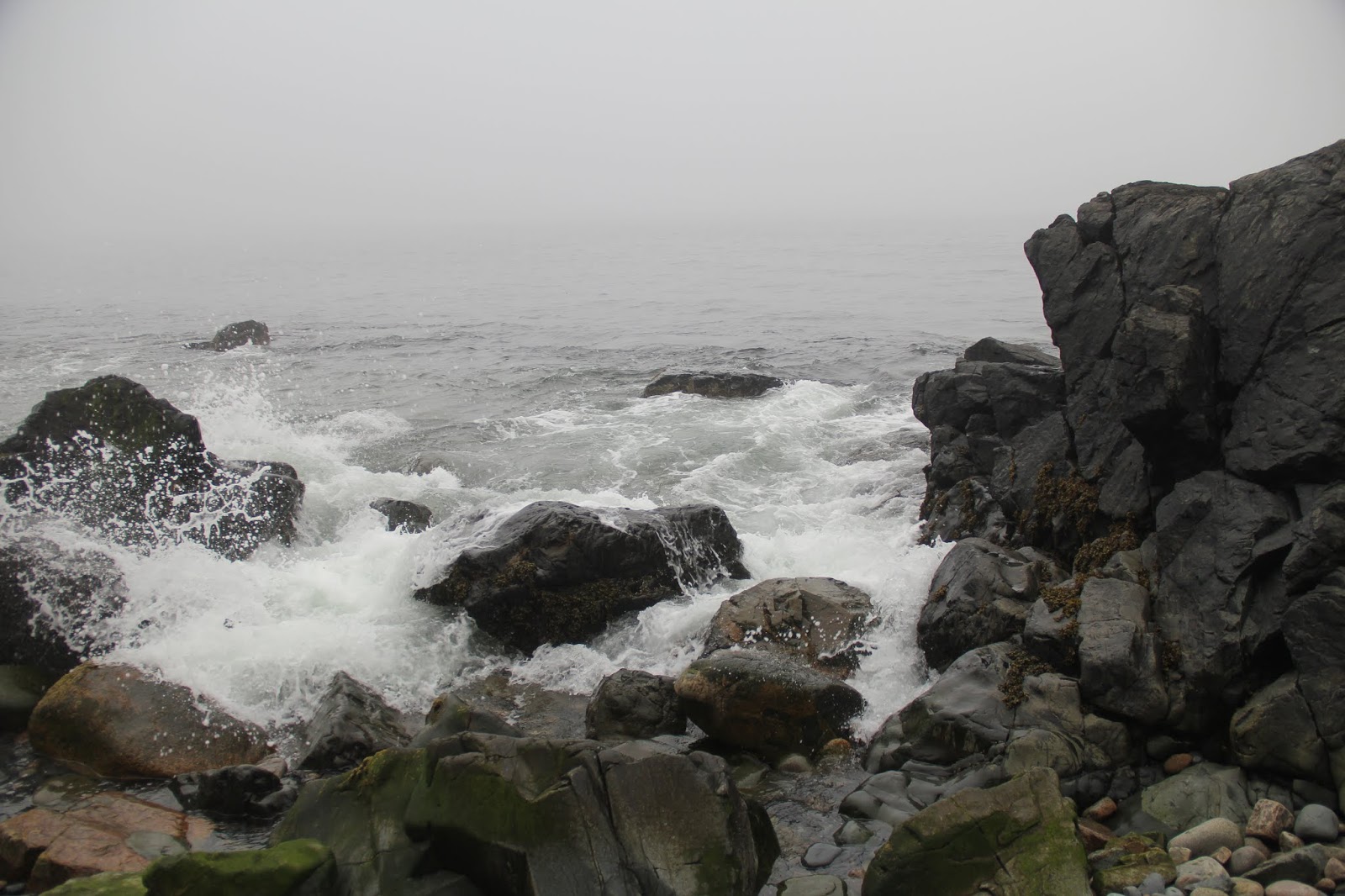
Acadia NP, Maine

Lastly, astronomy is the study of the universe and earth's place in it.  Objects and forces outside the earth's atmosphere can and do have a profound impact on this planet.  This includes everyday actions such as the tides (caused by the moon's gravity) and solar storms to less common events such as asteroid strikes.

Photographed from Alma, Michigan

Although earth science is divided into these four disciplines, they are completely intertwined and cannot not readily be separated.  Other subjects are also inseparable from the study of the earth sciences.  I have a degree in history.  History is in many ways a function of physical geography.  Geography is dependent on geology (and oceanography and meteorology).  Without understanding these larger connections, it is almost impossible to truly understand our place in the world.

Over the next week I'll be sharing an earth science post every single day.  I hope to cover some new ground that I haven't discussed before.

Monday, October 9, 2017

Earth Science Week 2017 - Monday

Happy Earth Science Week 2017!
 
Eroded rock/sediment formations at Theodore Roosevelt National Park (Medora, ND)


What is Earth Science?  The short answer is that Earth Science is the study of the Earth and its neighbors in space.  Generally, Earth Science is divided into four disciplines: geology, meteorology, astronomy, and oceanography.


Geology is a science that deals with the study of the Earth's materials, structures, and processes.  The word geology comes from the Greek words geo (Earth) and logia (study of).


Meteorology is a science that deals with the study of atmosphere and how processes in the atmosphere affect weather and climate (long term weather patterns).  The word meteorology comes from the Greek words meteōron meaning roughly "thing high up" and logia meaning "study or discussion of".

The word astronomy means "arrangement of the stars" and comes from the Greek root words astron (star) and nomos (arranging).   In current terms, Astronomy is the study of the universe.  It includes the study of how nearby celestial bodies influence the Earth.

Oceanography is a science that involves the study of Earth's oceans and seas and their composition, patterns, and processes.  This science also includes the study of the organisms that inhabit the oceans.  The word oceanography was coined in the 1850s as a partner to the word geography - it comes from the Greek root words Ōkeanós (god of the sea) and gráphō (writing).

Monday, October 10, 2016

Earth Science Week 2016 - Monday

Happy Earth Science Week 2016!

What is Earth Science?  The short answer is that Earth Science is the study of the Earth and its neighbors in space.

Earth Science is generally divided into four disciplines:

Geology (the study of the earth) is a science that deals with the study of the Earth's materials, structures, and processes.

Lake of the Clouds - Ontonogan County, MI


Meteorology is a science that deals with the study of atmosphere and how processes in the atmosphere affect weather and climate (long term weather patterns).

Morning clouds near Shepherd, MI


Oceanography is a science that involves the study of Earth's oceans and seas and their composition, patterns, and processes.  This science also includes the study of the organisms that inhabit the oceans.

Atlantic Ocean - Acadia National Park, ME

Astronomy is the study of the universe.  It includes the study of how nearby celestial bodies influence the Earth.


Northern lights and stars - Munising, MI


To learn more about Earth Science please check out this series of videos produced by the American Geosciences Institute.